Speaker systems are very important because they are the units that actually reproduce the sound of the electric energy. When I buy speakers, I just want to get high quality. Here's what you need to know and what to look for:
Firstly, let's start with the type of speakers you're in the car audio world.
Woofer: A speaker designed to reproduce low frequencies have the audio spectrum.
Middle: A speaker designed to reproduce mid-sized center frequencies of the audio spectrum.
Tweeter: A speaker designed to reproduce the smaller the higher frequencies of the audio spectrum.
There are other variations of these speakers is also available.
Sure you have heard of "subwoofers" that reproduce the lower frequencies of sound. Basically, it is the same thing as woofers, but more and more processing power. The result? Thunderous bass! By the gods themselves ...
You can also find the "midbass" drivers. They like woofers, but are usually used to provide lower at the front soundstage. Often they are connected to networks crossed.
Another type of speaker might find called "supertweeter", and reproduces the high frequencies of the sound spectrum.
Now, to shock you ...
When you buy a "speaker", you are actually buying. Aka, one more thing to work together to produce a result. Let's take a look at the types of systems available speakers ...
TYPES OF SYSTEMS SPEAKERS:
Basically, there are two types of speaker "systems".
1. "Coaxial", "three way", "full-range", etc.
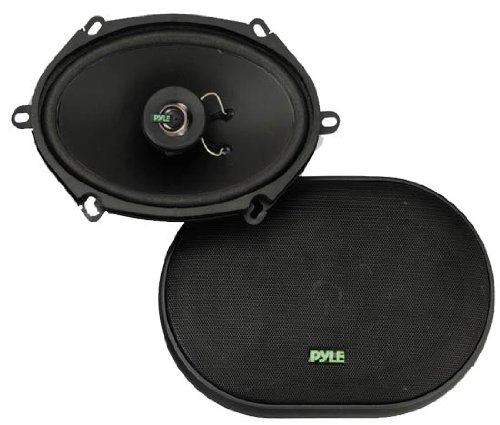
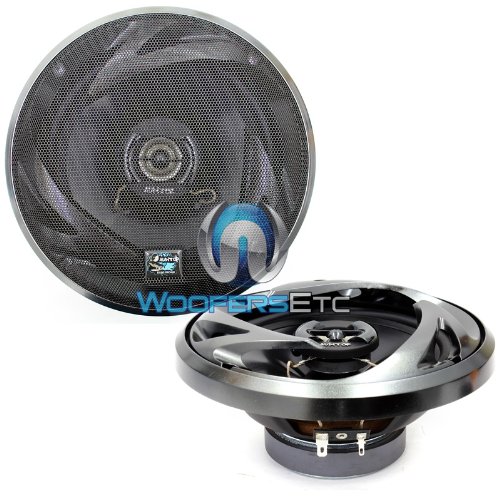
The speaker systems are designed to fit into the factory speaker locations in your vehicle. They are often referred to as "speaker", but they have more than one speaker, and also has a crossover. (Coaxialspeak.jpg)
2. "Components", "part"
The speaker systems are essentially above any speaker system and divide it into several parts. (Componentspeak.jpg)
WHAT IS THE DIFFERENCE AND Why Should I Care?
To restate the obvious, all speaker components in one package, and all the other speaker system components in separate packages. The two speakers are exactly the same, and work exactly the same way, but the components of the systems ARE BETTER.
Why?
I tell you, Hoss!
But before that, you need to know about the properties of the high frequencies. OK, this is annoying, so I'll give you the summary: High frequencies are extremely narrow spread. (Whu huh?) In short, the high frequencies (if we could see them) spread like rope. Low frequencies, so that we can see them scatter like a fan. Therefore, since the high frequencies are not distributed very well, they should aim at ear level, otherwise we will not hear them! This is one of the advantages of component systems, they allow tweeters to aim! Why do we want it? So, when a singer hits the "s word", or cymbal crash (two things occur at high frequencies), the SPARKLE sound, rather than death and fair.
Pix: tweeterdisperse.jpg, wooferdisperse.jpg
Another advantage components: intersections units generally of better quality than you will find in coaxial speakers and full-range systems. It's a good thing because you will introduce less distortion to your speakers, and be sure that your speakers are playing only the frequencies they are supposed to play. The result? Better sound.
The last advantage of the components are usually designed for people who are more interested in sound quality. For this reason, components are generally higher in quality. When it comes to attract even the most expensive models will be overshadowed by the quality of the components in the same price range.
OK, OK. I know that not everyone will consider component speaker systems. The truth is that they are more difficult to properly install and more expensive. Of course, if sound quality is your thing, you go through the extra effort! Even with automakers the program these days, and include a component speaker systems in their vehicles. Even my lowly Honda Civic 'em!
Crossovers:
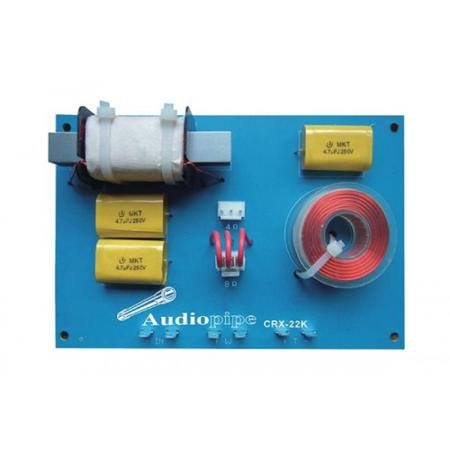
So, you have probably noticed me using the word "crossover" above. What you do not know what a crossover is, and what it does. Basically, crossover signal to the full audio spectrum, and it is divided into different frequency "bands", and the appropriate frequencies to the appropriate speakers. This photo! (Xover.jpg)
If this explanation is too simple for you, you can check out my page for more information crossing depth. Thank you!
OK, OK, OK. It's time to get serious and look at the specifications of the speakers, and how they affect you.
Size:
This is often expressed in inches (but sometimes metric for European brands), and refers to the assembly speaker, the speaker is not true. For some speakers, the diameter is 6.5 "or 5.25". Oval dimensions are pregnant, such as 5x7 "or 6x9".
Mounting Depth:
Basically, it tells you how deep the speaker behind his support. Most speakers are about 3-4 inches deep. "It is important to know because you want to be sure that there is enough space behind the speaker to mount properly.
Frequency Response:
This tells you what frequencies a reproduction capbale speaker. Good speakers is as low as 50 Hz, and all the way to 20,000 Hz (and beyond). However, if you plan to subwoofers to your system, you do not need your speakers to go much lower than 100Hz. In addition, the speakers do not need to go higher than 20,000 Hz since us lowly people can not hear anything in the frequency range.
Power handling:
This is the amount of energy a speaker can withstand without damage. This is usually expressed in two ways: RMS and MAX. RMS what the speaker can handle continuously, and the MAX rating indicates that the speaker can withstand a short distance.
Impedance:
It is measured in Ohms, and tells you how the speaker resistance. Basically, the only useful thing about this specification is that if you know what amp to connect your speakers up. Most car speakers (except subwoofer) 4 Ohm speakers, amplifiers and all the cars are built for 4 "load" Ohm. Most amplifiers can also handle 2 ohm loads, but 2 Ohm speakers is very rare. I would say that the specification is far more important when it comes to boxes instead of speaker systems.
Sensitivity:
Measured in dB, sensitivty essentially tells you that the sound level of one speaker. When you turn your speakers off of a low power amplifier, you want a more sensitive speaker. When you turn your speakers off of a high power amplifier, the sensitivty rating is much less important. In addition, more sensitive speakers tend to distort more easily.
A word about power handling, amps and distortion ...
DO NOT SPEAKERS be deleted BUT BY VOLUME distortion! So, it is your primary goal to limit the amount of distortion that your speakers receive. This not only makes your music sound, but it also protects your speakers before declining.
The best way to do this ...
Buy as much power as you can afford, even if it exceeds the "Power" spec for your speakers.
WHAT! WHY!
Because, because, because of the volume up too high causes your amplifier to "clip". This is the worst distortion that you can send to your speakers. It is caused by trying to get too much volume from an amp that can not be provided. SOOOO, you get a BIG, bad amp with lots of power. Now, when you increase the volume level, other than pushing the Dodgers limits, you are just going to get the amp. Thus, instead of clipping, cleaning the signal amp for speakers. There is no distortion, no damage, no problem!
Now, I've learned, it's time to think about what you want out of your speakers ...






 Great product!
 great value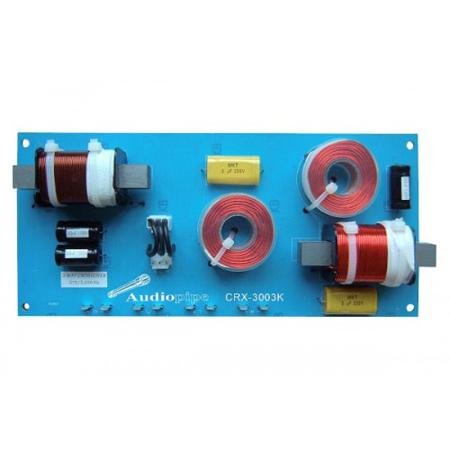
 Not what I thought


